
The Hidden Dangers of Petrochemical Clothing: What Recent Science Reveals About Synthetic Fabrics and Your Hormones
In our quest for performance, stretch, and quick-dry convenience, most of us have filled our closets with petrochemical-derived clothing—polyester, nylon, spandex, and acrylic blends that dominate athletic wear, fast fashion, and everyday activewear. These synthetic fabrics, born from petroleum, are cheap to produce and incredibly durable. But a growing body of scientific literature is raising red flags about their long-term impact on human and animal health, particularly through endocrine (hormone) disruption. Microplastics shed from every wash, chemical additives that leach onto skin, and “forever chemicals” like PFAS are no longer just environmental concerns—they’re direct pathways for absorption through our largest organ: our skin.
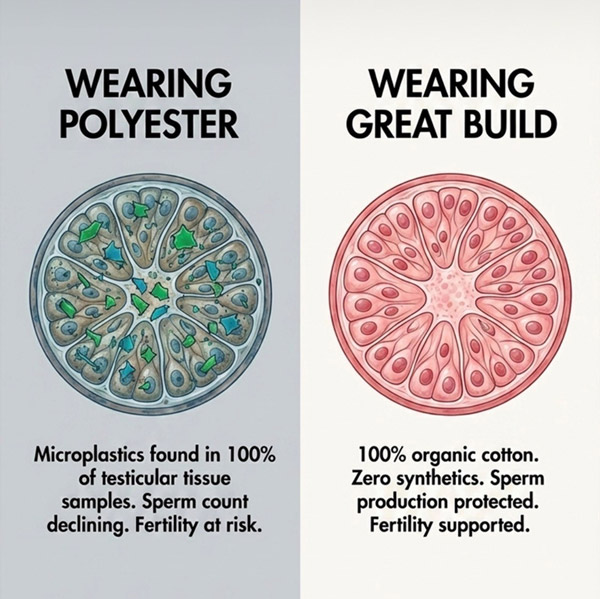
Recent studies on both animals and humans paint a concerning picture. In classic research dating back to the 1990s (and corroborated in more recent reviews), animals wearing polyester garments showed measurable hormonal changes and reproductive issues. Female dogs exposed to polyester developed reduced progesterone levels and struggled to conceive, while male dogs and rats exhibited declines in sperm count, motility, and testicular function—effects largely reversible once switched to natural fibers. Scientists attribute this partly to electrostatic fields generated by synthetics and partly to leaching of endocrine-disrupting chemicals (EDCs) such as phthalates and bisphenols. In humans, emerging evidence links chronic wear of synthetic activewear to similar risks: BPA and phthalates detected in sports bras, socks, and leggings have been associated with disrupted testosterone, estrogen balance, reduced sperm quality, and conditions like PCOS or endometriosis. Sweat, friction, and body heat accelerate dermal absorption of these compounds and the microplastics they carry, which can also bind additional environmental toxins and trigger oxidative stress and inflammation.
A high-profile example making headlines right now is the ongoing investigation by Texas Attorney General Ken Paxton into Lululemon. Launched in April 2026, the probe examines whether the brand’s popular athletic apparel contains PFAS—“forever chemicals” used for water and stain resistance—and whether the company’s wellness-focused marketing misled consumers about safety. Lululemon maintains it phased out PFAS in 2023 (previously used in durable water-repellent treatments), but the civil investigative demand highlights broader industry concerns: these persistent chemicals are linked to immune suppression, hormone disruption, liver damage, and reproductive toxicity. Performance gear, worn during workouts when skin is most permeable, may amplify exposure far beyond what we experience with other clothing.

That’s exactly why I made the switch back to natural fibers—organic cotton, hemp, linen, wool, and bamboo viscose. These materials breathe, regulate temperature, and don’t shed microplastics or leach synthetic EDCs. They avoid the chemical cocktail of flame retardants, phthalates, bisphenols, and PFAS that synthetics often require for functionality. Studies consistently show lower rates of skin irritation, allergies, and measurable hormone disruption with natural textiles. For anyone prioritizing fertility, metabolic health, or simply reducing daily toxic load, the evidence is compelling: what touches your skin for 16+ hours a day matters more than most of us realized.
If you’re ready to audit your own wardrobe, start with the items closest to sensitive skin (underwear, activewear, pajamas). The science is still evolving, but the precautionary principle is clear—nature’s fibers have stood the test of time for a reason. Your hormones (and the planet) will thank you.